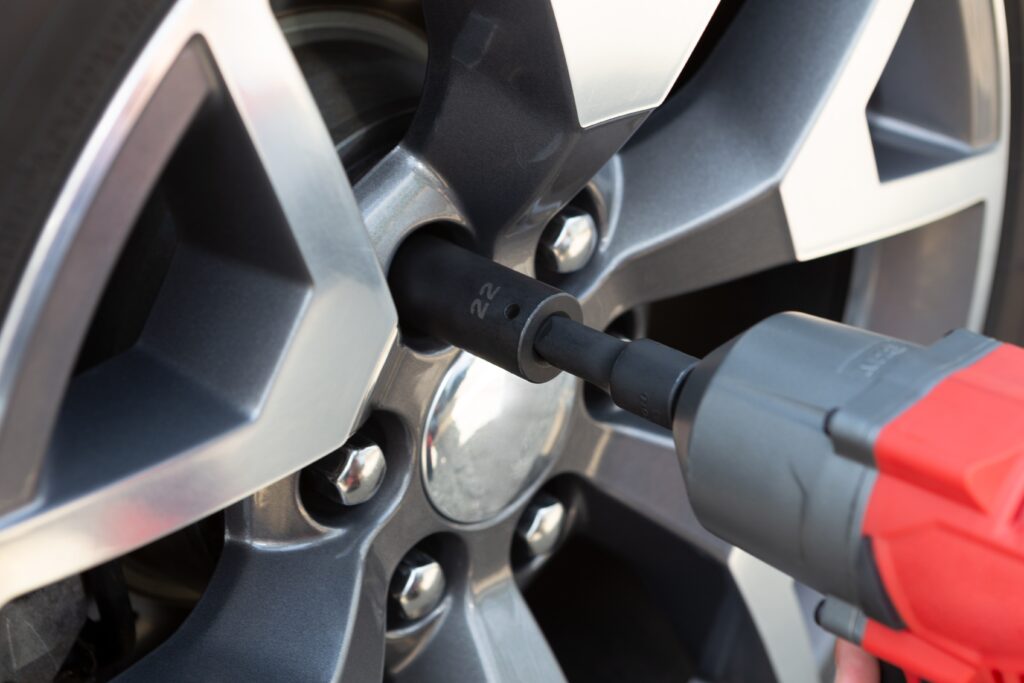
Welcome to Revive Your Wheels, your ultimate resource for all things related to vehicle and truck repair, as well as engine maintenance. Whether you’re a seasoned car enthusiast or a truck owner seeking expert advice, our blog is here to provide you with comprehensive information and tips to keep your wheels running smoothly and efficiently.
At Revive Your Wheels, we understand the importance of maintaining your vehicles and trucks in top condition. Regular repair and engine maintenance not only prolong the lifespan of your vehicles but also ensure optimal performance, safety, and fuel efficiency. Our team of experienced automotive enthusiasts and mechanics is dedicated to sharing their knowledge and expertise to help you revitalize your wheels and keep them in pristine shape.
Our Blog Covers a Wide Range of Topics, Including:
1. Vehicle and Truck Repair: From common mechanical issues to troubleshooting tips, we provide detailed guidance on diagnosing and repairing various vehicle and truck problems. Whether it’s addressing engine malfunctions, brake issues, suspension problems, or electrical faults, our articles will equip you with the knowledge needed to tackle repairs efficiently and cost-effectively.
2. Engine Maintenance: The heart of any vehicle is its engine, and proper maintenance is crucial to ensure its longevity and performance. Our blog offers valuable insights into engine care, including oil changes, filter replacements, spark plug maintenance, timing belt inspections, and more. We also explore advanced topics like fuel system cleaning, emissions control, and optimizing engine performance.
3. Preventive Maintenance: Regular maintenance is key to avoiding costly repairs and breakdowns. We provide comprehensive preventive maintenance guides, covering topics such as fluid checks and replacements, tire maintenance, battery care, and overall vehicle inspections. By following our maintenance tips, you can stay ahead of potential issues and keep your wheels rolling smoothly.
4. DIY Tips and Tricks: We understand that many car and truck owners enjoy getting their hands dirty and performing repairs and maintenance themselves. Our blog features a range of DIY tips and tricks, from simple tasks like changing wiper blades and replacing air filters to more advanced projects like brake pad replacement and engine component upgrades. We provide step-by-step instructions, safety precautions, and recommended tools to empower you to tackle projects confidently.
5. Industry News and Trends: Stay up to date with the latest automotive industry news, technological advancements, and emerging trends. We cover topics such as hybrid and electric vehicle developments, autonomous driving technologies, eco-friendly innovations, and more. Our aim is to keep you informed about the evolving automotive landscape and how it impacts vehicle repair and engine maintenance.
Revive Your Wheels – Your Trusted Automotive Resource:
At Revive Your Wheels, we strive to be your go-to source for comprehensive information on vehicle and truck repair, as well as engine maintenance. Our team is passionate about automobiles and dedicated to providing accurate, reliable, and up-to-date content. Whether you’re a DIY enthusiast, a professional mechanic, or simply a vehicle owner looking for practical tips, our blog is here to support you on your automotive journey.
Explore our articles, guides, and tutorials to empower yourself with the knowledge needed to revive your wheels and keep them running smoothly. Be sure to subscribe to our newsletter to receive regular updates and exclusive content. Join our vibrant community of automotive enthusiasts and let’s embark on a journey to revitalize and maintain our wheels together.
Revive Your Wheels: Empowering You to Take Control of Your Vehicle and Truck Repair, and Engine Maintenance.
- Enhancing Truck Repairs with Foam Insulation: Efficiency, Comfort, and Durability

Truck repair shops are essential for maintaining the fleets that keep goods and services moving across the country. These facilities must be efficient, comfortable, and durable to handle the demands of heavy-duty vehicle repairs. Foam insulation has emerged as a valuable tool in creating an optimal environment for truck repair shops, providing benefits such as improved energy efficiency, thermal comfort, and moisture control. This blog post explores how foam insulation can enhance truck repair shops, discussing its benefits, applications, and practical tips for implementation.
The Importance of a Well-Insulated Truck Repair Shop
A well-insulated truck repair shop is crucial for several reasons. It ensures a comfortable working environment for technicians, protects sensitive equipment and materials, and helps maintain energy efficiency, reducing operational costs. Foam insulation offers an effective solution to achieve these goals by providing superior thermal resistance and air sealing capabilities.
Understanding Foam Insulation
Foam insulation comes in two primary forms: spray foam insulation and rigid foam board insulation. Both types provide excellent insulating properties and can be adapted for use in various parts of truck repair shops.
Spray Foam Insulation
Spray foam insulation is applied as a liquid that expands into a foam, filling gaps and creating an airtight seal. It is available in two varieties:
- Open-Cell Spray Foam: Less dense and more flexible, making it effective for soundproofing and thermal insulation in less critical areas.
- Closed-Cell Spray Foam: Denser and more rigid, offering higher R-value and moisture resistance, making it ideal for areas exposed to harsher conditions.
Rigid Foam Board Insulation
Rigid foam board insulation consists of pre-formed boards made from materials such as polystyrene, polyisocyanurate, or polyurethane. These boards provide high insulating values and are typically used in larger, flat surfaces where they can be securely fitted.
Benefits of Foam Insulation for Truck Repair Shops
Foam insulation offers several advantages that enhance the performance and usability of truck repair shops:
Superior Thermal Comfort
One of the primary benefits of foam insulation is its ability to regulate temperature. Maintaining a stable and comfortable temperature inside the repair shop is crucial for the well-being and productivity of technicians.
Example: Insulating the walls and roof of a truck repair shop with closed-cell spray foam helps keep the interior warm in the winter and cool in the summer, creating a comfortable environment for technicians to work efficiently.
Effective Soundproofing
Open-cell spray foam is particularly effective at absorbing sound, making it an excellent choice for interior applications where noise reduction is important. This is especially beneficial in busy repair shops with constant noise from tools and machinery.
Example: Applying open-cell spray foam insulation to the walls and ceilings of a truck repair shop significantly reduces noise levels, creating a quieter and more pleasant working environment.
Enhanced Energy Efficiency
Foam insulation’s high R-value per inch means it provides superior thermal resistance, reducing the need for heating and cooling and leading to significant energy savings. This is particularly important for large repair shops with extensive floor space.
Example: A truck repair shop insulated with spray foam experiences lower energy consumption, resulting in reduced utility bills and a smaller environmental footprint.
Moisture Control and Mold Prevention
Closed-cell spray foam insulation acts as a moisture barrier, preventing water infiltration and reducing the risk of mold and mildew growth. This is crucial for maintaining a healthy and durable working environment.
Example: Insulating a repair shop with closed-cell spray foam ensures the interior remains dry and free from mold, protecting both the equipment and the health of technicians.
Increased Structural Integrity
Closed-cell spray foam adds rigidity to walls and roofs, enhancing the structural integrity of the building. This can be especially beneficial in areas prone to high winds, heavy snow, or other severe weather conditions.
Example: A truck repair shop with closed-cell spray foam insulation in its walls and roof is better equipped to withstand harsh conditions, ensuring safety and durability.
Applications of Foam Insulation in Truck Repair Shops
Foam insulation can be applied in various parts of a truck repair shop to enhance performance and comfort:
Walls
Both spray foam and rigid foam board insulation can be used in the walls of repair shops to create a well-insulated building envelope. Spray foam is particularly effective in sealing gaps and cracks, while rigid foam boards provide continuous insulation and reduce thermal bridging.
Example: Insulating the walls of a truck repair shop with spray foam not only improves thermal comfort but also enhances soundproofing, creating a more efficient and pleasant working environment.
Roofs and Ceilings
Insulating the roof and ceilings with foam insulation helps maintain consistent temperatures throughout the shop and prevents heat loss during winter and heat gain during summer. Spray foam can be applied directly to the underside of the roof deck, creating an airtight seal and enhancing energy efficiency.
Example: A truck repair shop with spray foam insulated roofs and ceilings stays cool in summer and warm in winter, providing a comfortable workspace year-round.
Floors
Foam insulation can be applied to the floors of repair shops to provide additional thermal insulation and moisture protection. This is particularly important in areas with cold climates or high humidity.
Example: Insulating the floors of a truck repair shop with rigid foam boards ensures a warm and comfortable environment for technicians, even in colder weather.
Exterior Applications
Rigid foam board insulation can be installed on the exterior of the shop’s frame to create a continuous insulation layer. This method reduces thermal bridging and enhances the overall energy efficiency of the building.
Example: A truck repair shop retrofitted with rigid foam board insulation on its exterior walls boasts improved energy performance and reduced heat loss, contributing to lower utility bills and a more comfortable indoor environment.
Practical Tips for Implementing Foam Insulation in Truck Repair Shops
To maximize the benefits of foam insulation in truck repair shops, it’s important to follow best practices and ensure proper installation:
Choose the Right Type of Foam
Select the appropriate type of foam insulation based on the specific needs of the shop. Open-cell spray foam is ideal for interior applications and soundproofing, while closed-cell spray foam and rigid foam boards are better suited for areas requiring high R-values and moisture resistance.
Tip: Consult with a professional insulation contractor to determine the best type of foam insulation for your repair shop.
Ensure Proper Installation
Proper installation is crucial for maximizing the benefits of foam insulation. Hire experienced and certified installers who understand the intricacies of applying spray foam and installing rigid foam boards.
Tip: Request references and check reviews to find reputable insulation contractors with a proven track record of quality work in commercial settings.
Plan for Ventilation
While foam insulation creates an airtight seal, proper ventilation is still necessary to maintain indoor air quality. Plan for adequate ventilation systems to prevent issues related to air quality and moisture.
Tip: Consider installing mechanical ventilation systems, such as heat recovery ventilators (HRVs), to ensure a healthy indoor environment.
Real-World Examples of Foam Insulation in Truck Repair Shops
Large-Scale Truck Repair Facility
A large-scale truck repair facility in Michigan retrofitted its shop with closed-cell spray foam insulation in the walls and roof. The transformation resulted in improved thermal comfort, reduced energy costs, and enhanced indoor air quality. The added structural integrity also helped protect the facility from severe weather, ensuring a safe working environment.
Family-Owned Truck Repair Shop
A family-owned truck repair shop in Texas insulated its walls, roof, and floors with both open-cell and closed-cell spray foam. The insulation provided superior thermal resistance and soundproofing, creating a comfortable and quiet working environment. The energy savings from the insulation also reduced operational costs, allowing the shop to invest in better tools and equipment.
Mobile Truck Repair Unit
A mobile truck repair unit in California used rigid foam board insulation in its storage compartments and work areas. The insulation helped maintain stable temperatures and protected tools and materials from moisture damage. The mobile unit’s improved energy efficiency also extended the life of its onboard power systems.
Conclusion
Foam insulation is a transformative tool for enhancing the performance, comfort, and efficiency of truck repair shops. By providing superior thermal regulation, noise reduction, and moisture control, foam insulation significantly improves the usability and longevity of these facilities. Whether used in walls, roofs, floors, or exterior applications, foam insulation offers long-lasting benefits that enhance the overall functionality and appeal of truck repair shops. As the demand for high-quality, energy-efficient repair facilities continues to grow, foam insulation will play a crucial role in shaping the future of the truck repair industry.
- Concrete Solutions: Enhancing Farm Work with Durable Infrastructure

Farm work is the backbone of agriculture, requiring infrastructure that can withstand the rigors of daily operations and harsh environmental conditions. Concrete, known for its strength and durability, has become an essential material in modern farming, providing robust solutions that enhance efficiency and productivity. This blog post explores how concrete is revolutionizing farm work, its benefits, and various applications that demonstrate its value in agricultural settings.
The Importance of Concrete in Farm Work
Concrete’s unique properties make it an invaluable resource in the construction and maintenance of farm infrastructure. Here are some of the key benefits of using concrete on farms:
Durability and Longevity
Farming environments can be tough on materials, with constant exposure to weather, heavy machinery, and livestock. Concrete stands out for its ability to withstand these challenges, offering long-lasting solutions that reduce the need for frequent repairs and replacements.
Low Maintenance
Concrete structures require minimal maintenance compared to wood or metal. They are resistant to rot, rust, and pests, which are common problems in agricultural settings. This low-maintenance nature allows farmers to focus more on their core activities rather than spending time and resources on upkeep.
Versatility
Concrete can be molded into various shapes and sizes, making it suitable for a wide range of farm applications. From foundations and floors to fences and water troughs, concrete’s versatility supports diverse agricultural needs.
Hygienic and Safe
Concrete surfaces are easy to clean and sanitize, crucial for maintaining hygiene in farming operations. This is particularly important in dairy and poultry farming, where cleanliness is essential to prevent disease and ensure animal health. Concrete’s non-porous nature also helps prevent the buildup of bacteria and other pathogens.
Applications of Concrete in Farm Work
Concrete’s adaptability and strength make it ideal for numerous applications on farms. Here are some innovative ways concrete is enhancing farm work:
Farm Buildings and Infrastructure
Concrete is extensively used in constructing farm buildings and infrastructure. Its strength and durability make it ideal for foundations, walls, and floors in barns, storage facilities, and processing plants. Concrete buildings provide stable environments that protect equipment, produce, and livestock from the elements.
Example: A modern dairy farm uses concrete floors in its milking parlor to ensure easy cleaning and sanitation. The concrete structure withstands the constant foot traffic and weight of the animals, maintaining a safe and hygienic environment.
Silos and Storage Facilities
Concrete silos and storage facilities offer robust solutions for storing grain, feed, and other agricultural products. Their strength ensures they can handle the weight and pressure of large quantities of stored materials. Additionally, concrete’s resistance to pests and weathering helps preserve the quality of stored products.
Example: A grain farm installs concrete silos to store harvested grain. The silos’ durability and airtight design prevent spoilage and pest infestation, ensuring the grain remains in optimal condition until it is sold or used.
Livestock Shelters
Concrete is an excellent material for constructing livestock shelters, providing a safe and comfortable environment for animals. Concrete floors and walls are easy to clean, reducing the risk of disease. Moreover, concrete shelters can be designed to offer insulation, keeping animals warm in winter and cool in summer.
Example: A cattle farm builds concrete shelters with insulated walls to protect the herd from extreme temperatures. The concrete floors are equipped with drainage systems to facilitate cleaning, promoting a healthy living environment for the animals.
Irrigation Systems
Concrete is used in building durable and efficient irrigation systems, including channels, troughs, and tanks. These structures are essential for managing water resources effectively, especially in areas prone to drought.
Example: A vegetable farm constructs concrete irrigation channels to ensure a reliable water supply to its crops. The concrete channels minimize water loss through seepage and evaporation, improving water use efficiency and crop yields.
Pathways and Driveways
Concrete pathways and driveways provide durable and stable surfaces for vehicles and foot traffic on farms. They are resistant to weathering and heavy loads, making them ideal for use in high-traffic areas.
Example: A large fruit orchard installs concrete driveways to facilitate the movement of harvesting equipment and trucks. The concrete surfaces remain intact despite heavy use and varying weather conditions, enhancing operational efficiency.
Water Troughs and Feeders
Concrete water troughs and feeders are durable and hygienic options for providing livestock with water and food. Their heavy weight ensures they stay in place, even when animals push against them. Concrete’s non-porous nature helps maintain cleanliness, reducing the risk of contamination and disease.
Example: A dairy farm installs concrete water troughs that are easy to clean and disinfect, ensuring a constant supply of clean water for the cattle. The durability of the concrete troughs minimizes the risk of damage from the animals.
Sustainable Farming with Concrete
Sustainability is a critical consideration in modern farming, and concrete contributes to this goal in several ways:
Use of Recycled Materials
The production of concrete can incorporate recycled materials, such as fly ash, slag, and recycled aggregates, reducing the environmental impact. Using these materials in farm construction helps conserve natural resources and minimize waste.
Example: A sustainable farm builds a new storage facility using concrete made with recycled aggregates. This approach reduces the farm’s carbon footprint and supports its commitment to environmental stewardship.
Energy Efficiency
Concrete’s thermal mass properties help regulate indoor temperatures, reducing the need for artificial heating and cooling. This energy efficiency is beneficial in farm buildings where maintaining a stable temperature is crucial for both equipment and livestock.
Example: A greenhouse built with concrete walls benefits from the material’s thermal mass, which helps maintain consistent indoor temperatures. This reduces the energy required for heating and cooling, lowering operational costs and environmental impact.
Real-World Success Stories
Several farms have successfully integrated concrete into their operations, showcasing its benefits and versatility:
Green Valley Dairy Farm
Green Valley Dairy Farm, located in Wisconsin, underwent a significant upgrade with the use of concrete. The farm installed concrete floors in its milking parlor and feeding areas, enhancing hygiene and ease of maintenance. Concrete silos were also built to store feed, ensuring its quality and reducing waste. These improvements led to increased efficiency and better health outcomes for the herd.
Sunflower Organic Farm
Sunflower Organic Farm in California focused on sustainability by using eco-friendly concrete for its new storage facilities and irrigation systems. The farm incorporated recycled materials into the concrete mix, aligning with its commitment to environmental sustainability. The durable concrete structures have significantly improved the farm’s water management and storage capabilities, supporting its organic farming practices.
Conclusion
Concrete is playing a transformative role in enhancing farm work, offering durability, versatility, and sustainability. Its applications range from robust farm buildings and storage facilities to efficient irrigation systems and livestock shelters. By integrating concrete into their operations, farmers can enhance productivity, reduce maintenance costs, and promote sustainable practices. As the agricultural sector continues to evolve, concrete will remain a vital material in building resilient and efficient farming infrastructure.
- Optimizing Vehicle Upkeep: A Comprehensive Guide to Repair and Maintenance

Introduction: Paving the Way for Sustainable Vehicle and Truck Maintenance
Navigating through the myriad aspects of vehicle and truck repair and maintenance requires a blend of preventive strategies and reliable crisis management solutions like towing during unforeseen breakdowns. This article journeys through the essential aspects of maintaining vehicular longevity, interweaving regular upkeep practices with adept management of unexpected repair requirements.
Emergency Readiness: Navigating Through Unexpected Breakdowns with Towing Services
Despite stringent maintenance, vehicles and trucks may encounter unforeseen breakdowns, making the role of a credible towing service indispensable. Ensuring safe transport to an appropriate repair facility, a robust towing service not only safeguards against potential transit damages but also provides an immediate lifeline in the face of unexpected vehicular issues.
Staying Prepared On the Move: Roadside Assistance for Immediate Support
In instances of minor breakdowns or on-the-road issues that don’t warrant a full-fledged tow, roadside assistance serves as an immediate savior. From addressing flat tires to rectifying minor electrical glitches, efficient roadside assistance provides a swift solution, ensuring that drivers can either proceed with their journey or be escorted to a nearby repair facility with minimal disruption.
Proactive Vehicle Care: Ensuring Longevity Through Regular Maintenance
Shifting from a reactive to a preventative maintenance approach, adherence to a regular vehicle and truck upkeep schedule significantly mitigates unexpected breakdowns. Consistent routine checks, spanning engine health, tire pressure, and brake functionality, not only enhance vehicle performance but also preclude unforeseen repairs, endorsing both longevity and sustained vehicular performance.
Conclusion: The Road Ahead for Sustained Vehicle and Truck Performance
The journey towards enduring vehicle and truck ownership melds a commitment to consistent maintenance and the assurance of reliable towing and roadside assistance services. Striking a balance between preventative strategies and effective emergency response is pivotal to ensure seamless, uninterrupted journeys, and enduring vehicular utility and performance. Tailoring these strategies to individual and fleet vehicular needs is imperative to navigate the intricacies of vehicle and truck ownership and operation efficiently.
©2023 Vehicle Upkeep Essentials. All Rights Reserved.
- Gearing Up for the Heavy Lifters: Unveiling the Capabilities of Trucks in Heavy-Duty Work
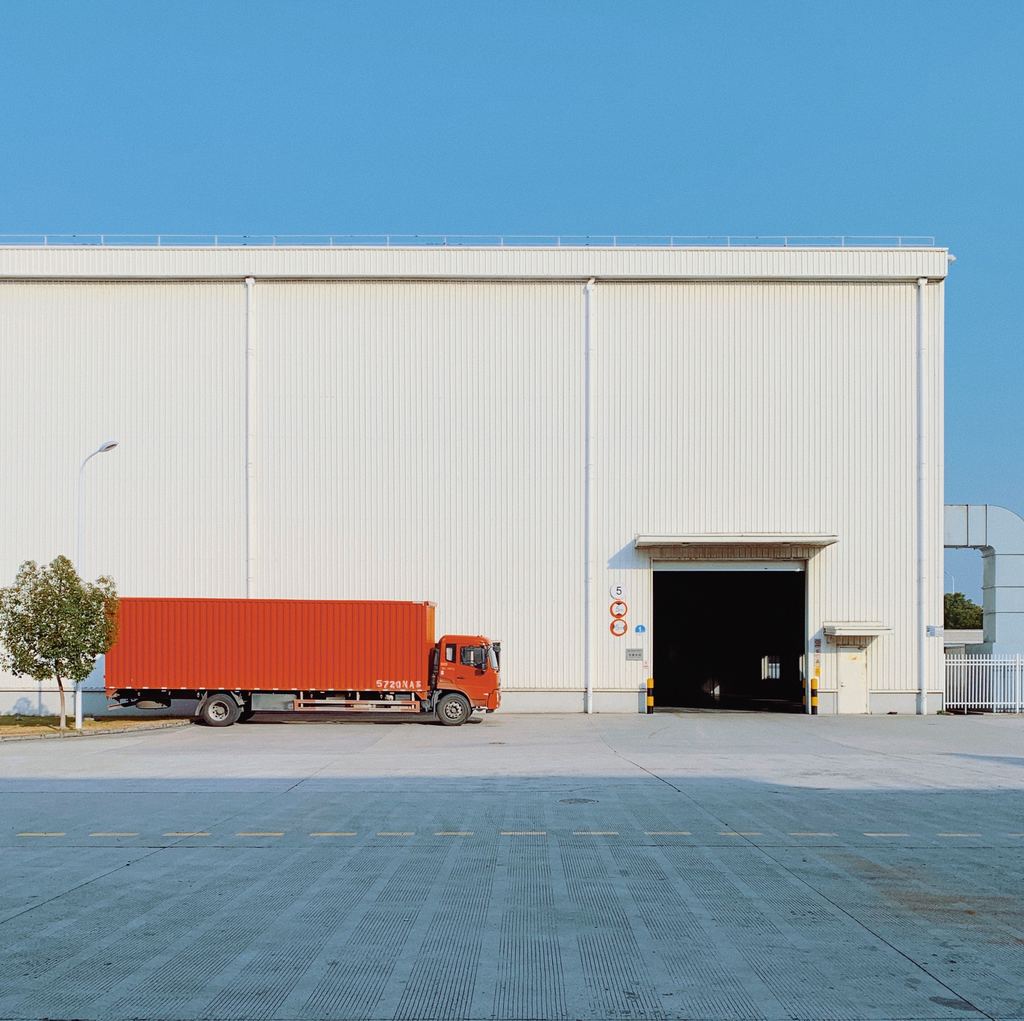
The success of many businesses depends largely on the capability to transport heavy goods and materials from one location to another. The role of heavy-duty trucks in such operations is invaluable. These powerful machines are the linchpins of industries like construction, mining, and logistics, capable of handling arduous tasks with ease. This article aims to shed light on the capabilities of trucks in heavy-duty work.
The Unseen Heroes: Heavy-Duty Trucks
Heavy-duty trucks are specifically designed to transport heavy loads over large distances. With robust engines, reinforced chassis, and enhanced suspension systems, these vehicles are capable of carrying thousands of pounds of weight, making them an integral part of industries that require heavy lifting and transport.
Payload and Towing Capabilities
Payload refers to the maximum weight a truck can carry in its cabin and cargo bed, while towing capacity is the maximum weight it can pull. The payload and towing capacities define the truck’s utility in heavy-duty work.
Heavy-duty trucks, such as the three-quarter-ton and one-ton trucks, boast impressive payload and towing capacities. These trucks are designed to handle loads ranging from 10,000 pounds to over 30,000 pounds, allowing businesses to move heavy equipment, construction materials, or large quantities of goods with relative ease.
Power and Performance
Under the hood of every heavy-duty truck lies an engine built to withstand demanding tasks. Most heavy-duty trucks are powered by high-performance diesel engines, known for their excellent torque ratings, fuel efficiency, and durability. These engines allow trucks to carry heavy loads over long distances without compromising performance or reliability.
Versatility and Customization
Beyond payload and towing capabilities, heavy-duty trucks offer the advantage of versatility. They come in various configurations, including flatbeds, dump trucks, or mixer trucks, each designed to serve a particular purpose.
Furthermore, these trucks can be customized to meet specific industry needs. This includes adding toolboxes, cargo management systems, or specialized equipment like winches or crane attachments. The versatility and customization possibilities make heavy-duty trucks a valuable asset to diverse industries.
Durability and Lifespan
Heavy-duty trucks are built to last. They feature robust construction and durable materials designed to withstand the rigors of heavy lifting and towing. Regular maintenance can further extend their lifespan, ensuring these vehicles serve your business for many years.
Safety Considerations
The sheer size and power of heavy-duty trucks also necessitate advanced safety features. These can include advanced braking systems, stability control, and driver-assist technologies like blind-spot monitoring and rearview cameras. These safety features are crucial when maneuvering large, heavy vehicles, especially in crowded urban environments.
Conclusion
The capabilities of heavy-duty trucks extend beyond their size and power. With impressive payload and towing capacities, customizable features, and durability, these vehicles play a critical role in various industries. They enable businesses to transport heavy loads efficiently, navigate challenging job sites, and carry out demanding tasks with relative ease.
While investing in a heavy-duty truck is a significant business decision, the value these vehicles bring to heavy-duty work can result in considerable long-term benefits. They are, without a doubt, the unsung heroes that help power our economy, facilitating the smooth running of sectors from construction to logistics and beyond. Whether you’re involved in heavy-duty work or merely interested in the behind-the-scenes operations of these industries, understanding the capabilities of these robust machines offers fascinating insights.
- From Engine to Exhaust: A Comprehensive Blog on Truck Repair and Upkeep

Introduction:
Trucks are the workhorses of various industries, from transportation and logistics to construction and agriculture. Just like any vehicle, trucks require regular maintenance and repair to ensure optimal performance, longevity, and safety on the road. In this blog post, we will delve into the world of truck repair and upkeep, covering essential aspects such as engine maintenance, brake systems, exhaust systems, and general maintenance practices that every truck owner should be familiar with.
Engine Maintenance:
The engine is the heart of any truck, and proper maintenance is vital to keep it running smoothly and efficiently. Here are key engine maintenance practices:
- Regular Fluid Checks and Changes:
Monitor essential fluids such as engine oil, coolant, transmission fluid, and brake fluid regularly. Ensure they are at the correct levels and change them at the recommended intervals to prevent engine damage and maximize performance. - Air and Fuel Filters:
Clean or replace air filters regularly to maintain optimal air intake and prevent dirt and debris from entering the engine. Similarly, ensure fuel filters are clean and functioning properly to ensure efficient fuel combustion. - Belt and Hose Inspection:
Check belts and hoses for signs of wear, cracks, or leaks. Replace them if necessary to avoid engine overheating or other potential issues.
Brake Systems:
Maintaining a truck’s brake system is crucial for the safety of both the driver and other road users. Here are key brake system maintenance practices:
- Regular Brake Inspections:
Regularly inspect brake pads, rotors, calipers, and brake lines for wear, corrosion, or damage. Replace worn-out components promptly to ensure optimal braking performance. - Brake Fluid Flush:
Flush the brake fluid according to the manufacturer’s recommended schedule. Old or contaminated brake fluid can compromise brake performance and lead to brake failure.
Exhaust Systems:
The exhaust system plays a crucial role in reducing emissions, improving fuel efficiency, and minimizing noise. Proper maintenance is essential to ensure the exhaust system’s efficiency and longevity:
- Regular Inspection:
Inspect the exhaust system for leaks, rust, or damage. Address any issues promptly to prevent toxic fumes from entering the cabin and to maintain compliance with emissions regulations. - Muffler and Catalytic Converter Maintenance:
Ensure the muffler and catalytic converter are in good condition and functioning correctly. A malfunctioning catalytic converter can lead to increased emissions and decreased fuel efficiency.
General Maintenance Practices:
In addition to specific areas, general maintenance practices are crucial for overall truck upkeep. Here are some key practices:
- Tire Care:
Regularly check tire pressure, rotate tires, and ensure proper alignment. Proper tire maintenance ensures optimal fuel efficiency, traction, and safety. - Battery Maintenance:
Inspect the battery regularly for signs of corrosion or wear. Clean the terminals, check the charge, and replace the battery if necessary. - Fluid Leaks:
Regularly check for fluid leaks, including oil, coolant, transmission fluid, or brake fluid. Address any leaks promptly to prevent damage to components and maintain proper fluid levels.
Conclusion:
Proper truck repair and upkeep are essential for the performance, longevity, and safety of your vehicle. By adhering to regular maintenance practices, such as engine maintenance, brake system checks, exhaust system upkeep, and general maintenance, you can ensure your truck operates at its best.
Remember, staying proactive with maintenance helps prevent costly repairs, reduces downtime, and ensures the safety of both the driver and others on the road. If you’re unsure about any aspect of truck repair or maintenance, consult a trusted mechanic or refer to the manufacturer’s guidelines.
Investing time and effort in maintaining your truck pays off in the long run, allowing you to get the most out of your vehicle and keep it running smoothly for years to come.
- Regular Fluid Checks and Changes: